
Which Camera to Choose for Your Photo Booth: The Definitive Guide
A grainy or blurry photo ruins the keepsake and the reputation of your photo booth. The camera is the heart of the equipment, and choosing badly condemns you to disappointed clients. Here's the real criteria to get it right based on your use.
In short
For a professional photo booth, a Canon DSLR or mirrorless (such as the EOS M50 or similar) offers the best image quality and reliability at events. A high-end smartphone works in compact mirror-type units, and the GoPro is reserved for dynamic 360 video. The key is the sensor, sharpness in low light and compatibility with your software.
The Three Real Camera Options
Not every camera is up to a six-hour event with hundreds of shots. These are the three families that are actually used in professional photo booths:
Canon DSLR and mirrorless: the professional standard
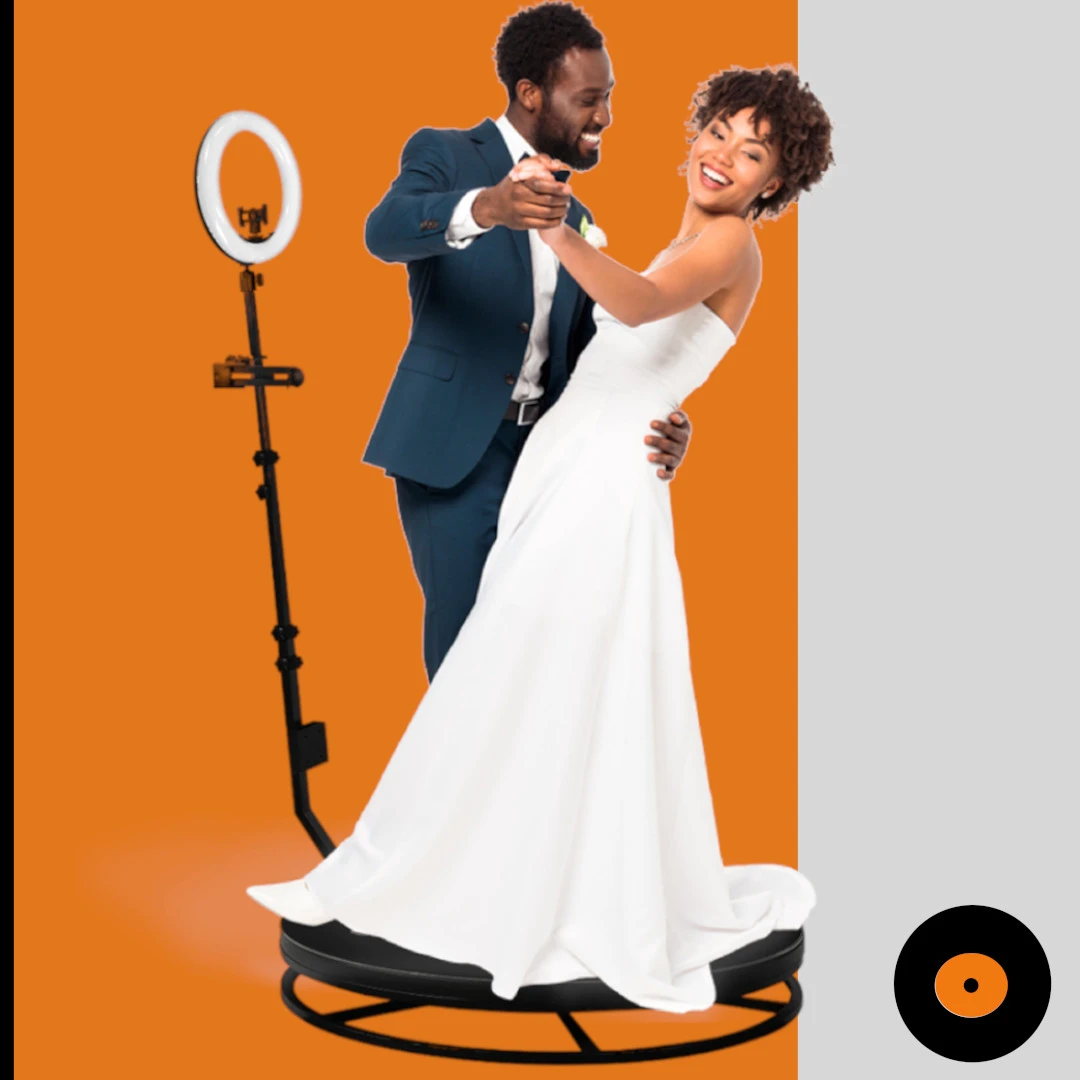
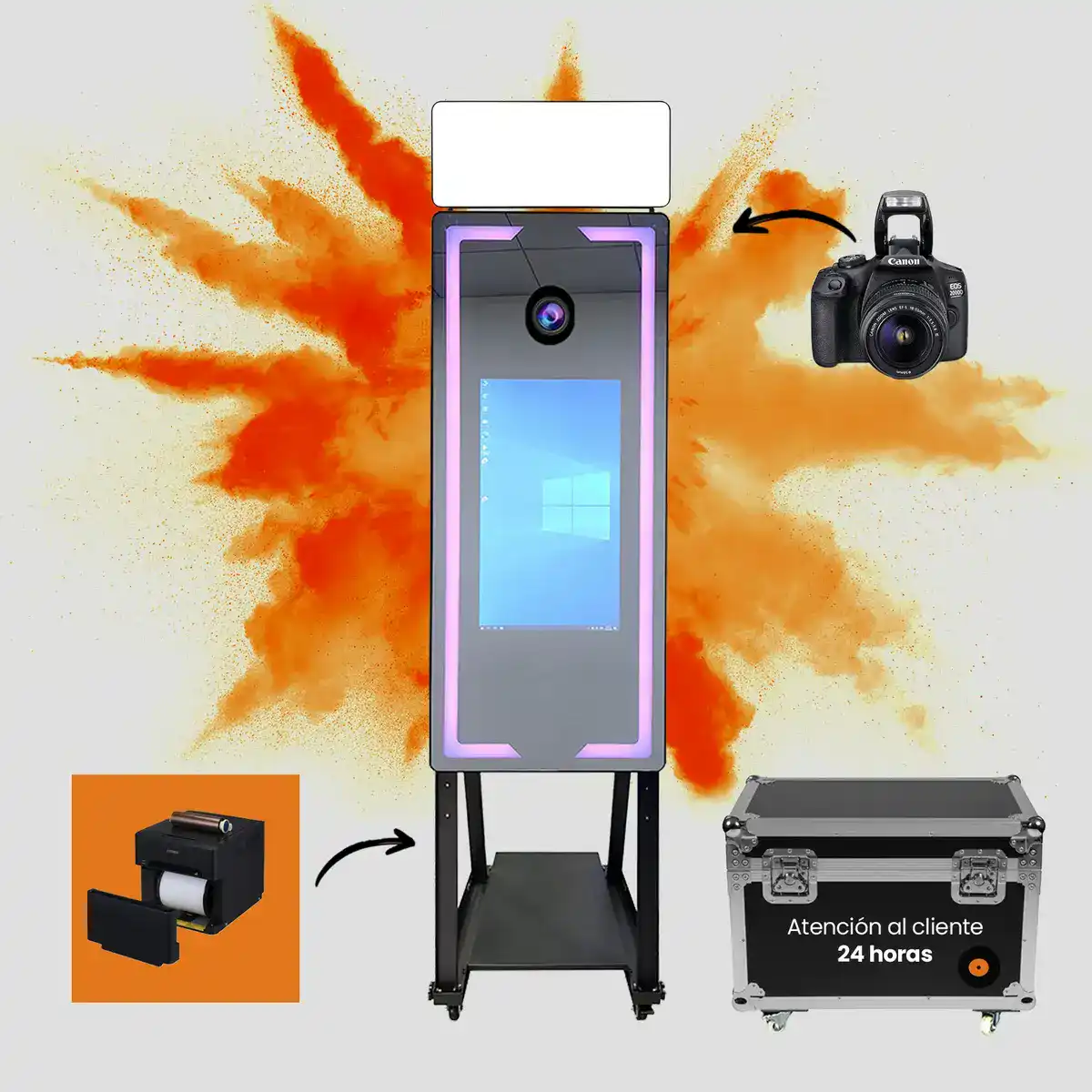
They're the default choice in a good photo booth. The APS-C sensor captures far more light than any phone, which translates into sharp photos even in dark venues. They withstand thousands of shots per event and are factory-integrated into our equipment such as the 360 Platform. If you're after studio quality, this is your route.
High-end smartphone: compact and good enough
A recent iPhone gives surprising results in good lighting and is ideal in Magic Mirror type units, where the phone is built in and hidden. Its limit shows in low light and during long bursts.
GoPro: only for 360 video
The GoPro shines in the dynamic video of a 360 platform, but it's not a quality still-photo camera. Use it as a complement, never as the main portrait camera.
- DSLR/mirrorless: maximum quality and reliability for stills
- Smartphone: compact, ideal for the mirror and good light
- GoPro: dynamic 360 video, not portraits
What to Look at Before Deciding
Choosing a camera isn't choosing megapixels. What makes the difference at a real event is something else:
Low-light performance
Most weddings and parties happen at night or in dark interiors. A large sensor and a good bright lens prevent noise and blur. Here the DSLR always wins.
Resistance to long sessions
An event means hundreds or thousands of shots in a row. The camera has to dissipate heat and not overheat. Pure consumer cameras fail; professional ones hold up.
Compatibility with the software
A great camera is useless if your software doesn't control it well. That's why our equipment comes with the camera and photo booth software already integrated and tested together, with no configuration surprises.
The Advantage of Buying the Complete Setup
Building your own photo booth piece by piece sounds tempting until the camera won't talk to the software, the focus fails or the flash doesn't fire in sync. Buying the equipment already integrated saves you that technical hell.
At ComprarFotomatón we manufacture directly and deliver the camera, the lighting and the software calibrated as a single system, with a 2-year warranty and lifetime support. If you're torn between models, check out our guide to buying a photo booth or browse cameras for photo booths options based on your use case.
Frequently Asked Questions
Which camera is best for a professional photo booth?
A Canon DSLR or mirrorless with an APS-C sensor is the best choice for a professional photo booth. It offers superior sharpness in low light, withstands long sessions of thousands of shots and integrates out of the box with the control software. It's the standard in quality equipment.
Can I use my phone as a photo booth camera?
Yes, a high-end smartphone works well in compact units like the magic mirror and with good lighting. Its limitation is in low light and very long bursts, where a DSLR performs better. For occasional or home use, the phone is enough.
Is a GoPro good for taking photos in a photo booth?
The GoPro is designed for dynamic video, especially on rotating 360 platforms, not for quality portraits. As the main still camera it falls short on sharpness and depth. Use it as a video complement, never as the only camera.
How many megapixels does a photo booth camera need?
More than megapixels, what matters is sensor size and lens brightness. A 18-24 megapixel camera with an APS-C sensor far exceeds any printing and screen need. Prioritizing megapixels over sensor is a common mistake.
Is it better to buy the camera separately or the complete photo booth?
Buying the complete photo booth avoids compatibility problems between camera, software and lighting, which is where most DIY setups fail. Integrated equipment arrives calibrated, with a warranty and support. Unless you're an advanced technician, the complete setup is more cost-effective and reliable.
Need Help Choosing?
We're direct manufacturers. We'll advise you with no obligation for your case.