
How to Organize a Corporate Event Step by Step
Organizing a corporate event is much more than booking a room and ordering catering. Behind every memorable occasion there's a clear goal, a well-distributed budget and logistics that leave nothing to chance. Here's the method used by teams that don't improvise.
In short
To organize a corporate event, first define the goal and the audience, set a realistic budget with a 10-15% margin for contingencies, and work with a reverse timeline of 8-12 weeks. There are three keys to success: a clear message, flawless logistics and experiences that make attendees remember the day. Everything else (venue, catering, speakers) falls into place around those three pillars.
Start with the why, not the where
The most common mistake is looking for a venue before being clear on what the event is for. An internal motivation event, a product launch and a Christmas dinner have nothing in common, neither in format nor in budget.
Before lifting a finger, answer these questions:
Define the measurable goal
- Do you want to build team cohesion, win clients or reinforce the brand?
- How will you measure success? (attendance, leads, satisfaction surveys)
- Who is the audience and what do they expect from the day?
- What is the single message that should stick?
The budget: split it before you spend it
A well-built event budget isn't a single overall figure, it's a breakdown by line items. The practical rule that works for most corporate events is to allocate around 40% to venue and catering, 25% to production and AV, 20% to content and speakers, and always set aside a 10-15% cushion for the unexpected which, trust me, will come.
The line items always forgotten
Details like public liability insurance, staff overtime, signage or guest transport get left out of many budgets and then throw the numbers off. Write them down from minute one.
The reverse timeline: work backwards from the date
Take the event date and plan in reverse. A reference calendar for a mid-sized event:
10-12 weeks out
Date locked, venue booked, budget approved and key suppliers contacted.
6-8 weeks out
Speakers confirmed, catering closed, invitations sent and communication plan underway.
2-3 weeks out
Attendance confirmations, minute-by-minute run sheet and a technical run-through with the AV team.
The week of the event
Briefing with all staff, full rehearsal and a plan B for every identified risk.
Experiences make the difference
An event that only informs gets forgotten; one that makes people feel something gets remembered. This is where participatory dynamics, well-designed networking zones and elements that invite interaction come in.
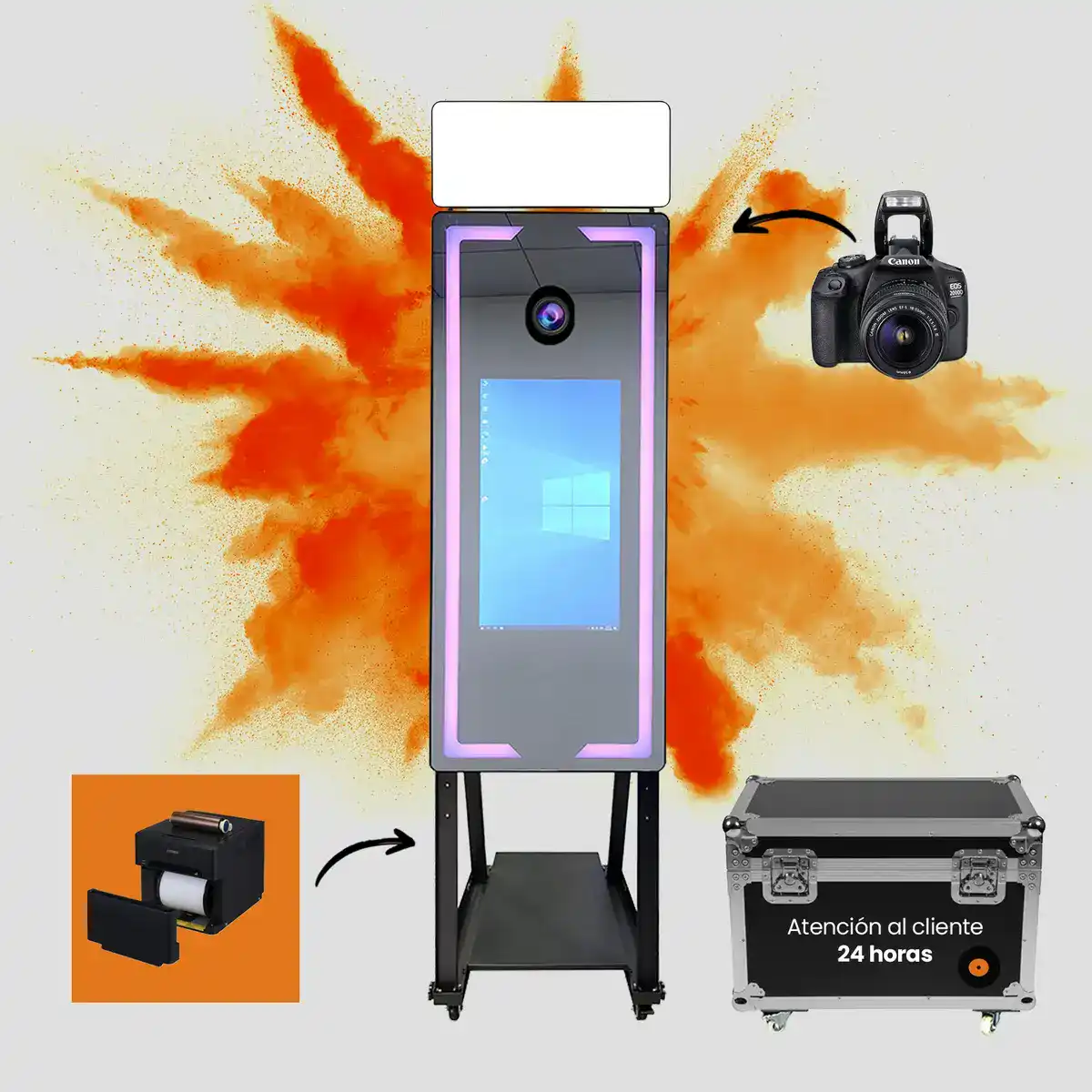
One resource that works especially well at corporate events is setting up a photo zone with a photo booth: it generates spontaneous content, breaks the ice between departments and leaves every attendee a physical keepsake with your brand on it. It's one of those low-cost, high-impact details that boost how the event is perceived.
And if you also want the event to go viral on social media, customizations (logo frames, an event hashtag, themed props) multiply organic reach at no extra cost.
D-day: the run sheet is everything
The day of the event isn't the time to decide anything, just to execute what's already been decided. Hand out a run of show (minute-by-minute script) to the whole team, assign a lead for each area and keep a single coordination point. If something unexpected comes up, one person decides; that way you avoid the chaos of decision-by-committee in the middle of the event.
Frequently Asked Questions
How far in advance should you organize a corporate event?
For a mid-sized event (50-200 people) the ideal is to start 8 to 12 weeks in advance. Large events or those with high-profile speakers may require 4 to 6 months, especially to secure the venue and the key guests' calendars.
How much does it cost to organize a corporate event?
It depends on the format and the number of attendees, but the cost usually ranges between €50 and €300 per person for standard corporate events. The key is to split the budget by line items and reserve 10-15% for contingencies.
What goals can a corporate event have?
The most common ones are building team cohesion, winning or retaining clients, launching a product, reinforcing the brand or celebrating a company milestone. Each goal determines the format, the tone and how success is measured.
How is the success of a corporate event measured?
It's measured with indicators defined beforehand: attendance rate, satisfaction surveys, leads generated, social media engagement or impact on sales. Without metrics set in advance it's impossible to know whether the event met its goal.

Need Help Choosing?
We're direct manufacturers. We'll advise you with no obligation for your case.