
Common Mistakes When Organizing Events and How to Avoid Them
Organizing an event is one of those tasks where a single slip can spoil months of work. The good news is that almost every failure is predictable and therefore avoidable. These are the most common mistakes and how to shield yourself against them.
In short
The most common mistakes when organizing an event are not defining the goal, underestimating the budget, getting the timing wrong and not having a plan B. Most don't surface on the day of the event, but weeks earlier, during planning. The way to avoid them is to work with a checklist, leave room for contingencies and assign clear leads to each area.
Mistake 1: starting without a clear goal
This is the mother of all failures, from which all the others stem. Without a defined goal, decisions are made on a whim or out of urgency, the budget gets diluted and in the end no one knows whether the event worked.
The solution
Before booking anything, write in a single sentence what you want to achieve and how you'll measure it. If you can't do that, you're not ready to organize yet.
Mistake 2: underestimating the budget
The second most expensive mistake (literally). The big line items get budgeted (venue, catering) and the small ones get forgotten, the ones that, added up, throw the numbers off: insurance, overtime, transport, signage, tips, contingencies.
The golden rule: always reserve 10-15% of the budget for contingencies. It's not pessimism, it's experience. The unexpected isn't a possibility, it's a certainty.
Mistake 3: timing that's too optimistic
Thinking everything will get done 'in time' without a real calendar is a recipe for chaos. Suppliers have their lead times, confirmations come in late and technical run-throughs always reveal some problem.
- Not booking the venue far enough in advance and running out of dates.
- Sending invitations late and dragging along weak attendance.
- Leaving the technical run-through to the last day, when there's no margin left.
- Not rehearsing the run sheet and discovering the bumps live.
Mistake 4: neglecting the attendee experience
Many organizers get obsessed with logistics and forget the only thing that matters: how the person attending feels. Endless queues at the entrance, dead moments with nothing to do, a lack of rest areas or forced networking ruin the perception of the event.
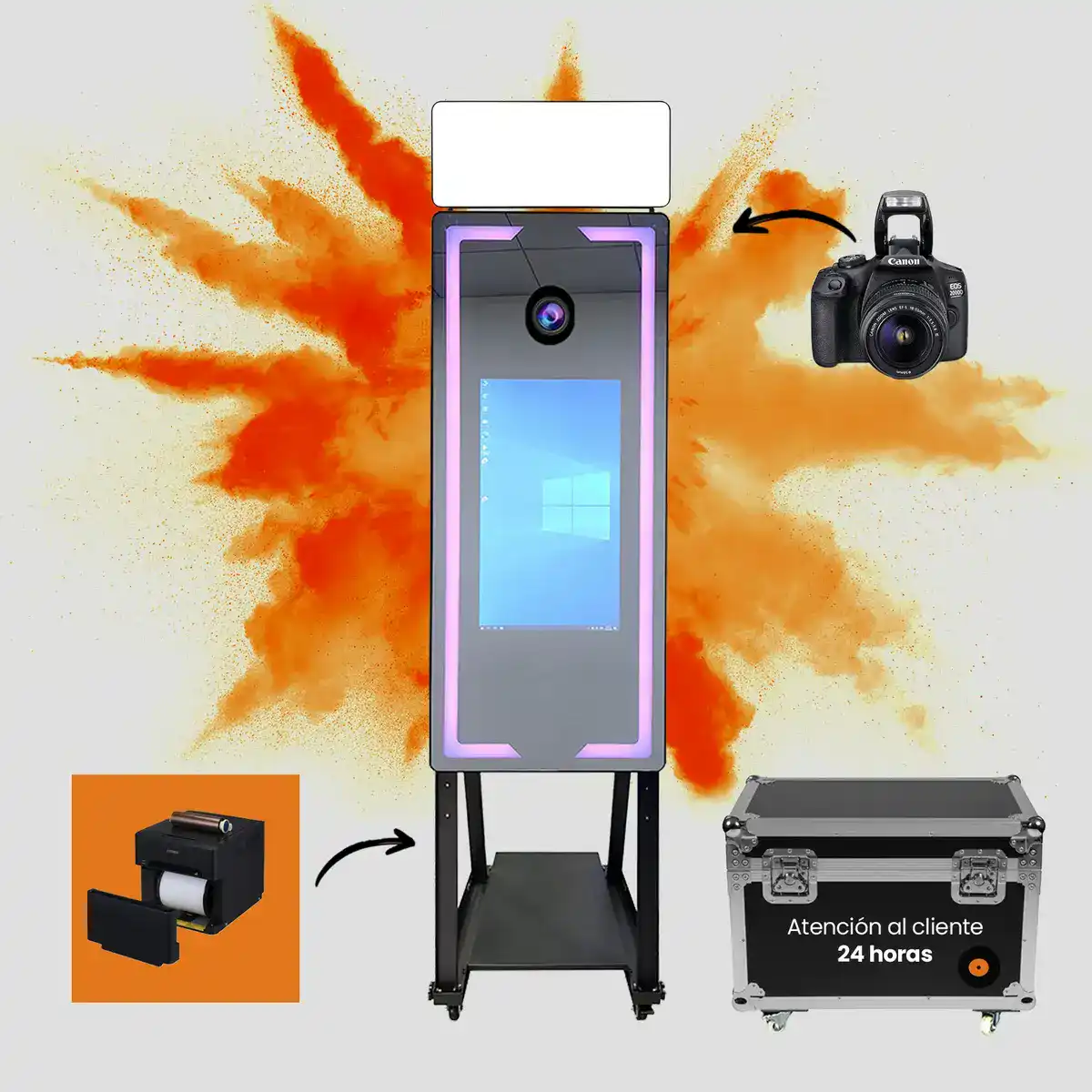
Always leaving something for people to do during the dead times is key. A photo booth zone, a photo backdrop or a light activity keep the atmosphere alive during the inevitable gaps in the agenda and avoid that 'so what do I do now' feeling.
Mistake 5: not having a plan B
Rain at an outdoor event, the speaker who cancels, the supplier who fails, the power cut. The unexpected comes, and the difference between a professional and an amateur is having it foreseen.
How to build your plan B
For each critical element of the event, ask yourself 'and if this fails, what do I do?'. Note down the alternative and who's responsible for activating it. A bulletproof event isn't one with no problems, but one that solves them without the attendee ever noticing.
Frequently Asked Questions
What's the most serious mistake when organizing an event?
Not defining a clear goal from the start. Almost all the others stem from that failure: a poorly distributed budget, incoherent decisions and the impossibility of measuring whether the event worked. Without a goal, there's no direction.
How much margin should you leave for contingencies at an event?
It's advisable to reserve between 10% and 15% of the total budget for contingencies. The unexpected (overtime, last-minute changes, repairs) isn't a remote possibility, it's a certainty at any event.
How do you avoid last-minute chaos at an event?
With a realistic reverse timeline, a detailed checklist, technical run-throughs in advance and a rehearsal of the run sheet. Most last-minute problems are brewing weeks earlier because of overly optimistic planning.
Why is it so important to have a plan B?
Because the unexpected always comes: rain, cancellations, technical failures. Having a planned alternative and someone responsible for activating it for each critical element is what sets a professional organizer apart from one who improvises.

Need Help Choosing?
We're direct manufacturers. We'll advise you with no obligation for your case.