
Experiential Marketing: How to Create Memorable Brand Events
People forget what you tell them, but they remember how you made them feel. That's the principle that drives experiential marketing: stop interrupting with messages and start creating moments the brand lives alongside its audience. We explain how to apply it at events.
In short
Experiential marketing means connecting with the audience through memorable experiences instead of advertising messages. At events, it translates into activations the attendee touches, lives and shares. It works because emotion fixes brand memory far better than any ad, and because the content the attendee generates themselves is the most credible and the one with the greatest reach.
Why the experience beats the message
The consumer is saturated with advertising and has developed a selective blindness to brand messages. Experiential marketing gets around that barrier: instead of telling someone your brand is approachable, fun or premium, you make them feel it first-hand.
Memory is emotional
Our brains store with great strength whatever is loaded with emotion. That's why a well-designed experience leaves a brand imprint no ad achieves: you don't remember a fact, you remember how it was lived.
The ingredients of a good activation
Not every activity at an event is experiential marketing. To qualify, it must meet several requirements:
- Participatory: the attendee acts, they don't watch.
- Consistent with the brand: the experience conveys the business's real values.
- Memorable: it includes an element of surprise or emotion.
- Shareable: it naturally invites people to generate and spread content.
- Measurable: it leaves a trail (registrations, interactions, content) that lets you evaluate the return.
User-generated content
The crown jewel of experiential marketing is that the audience itself becomes the medium. When someone shares a photo, a video or a story from your event, they're making an implicit recommendation to their circle, who trust them far more than any ad.
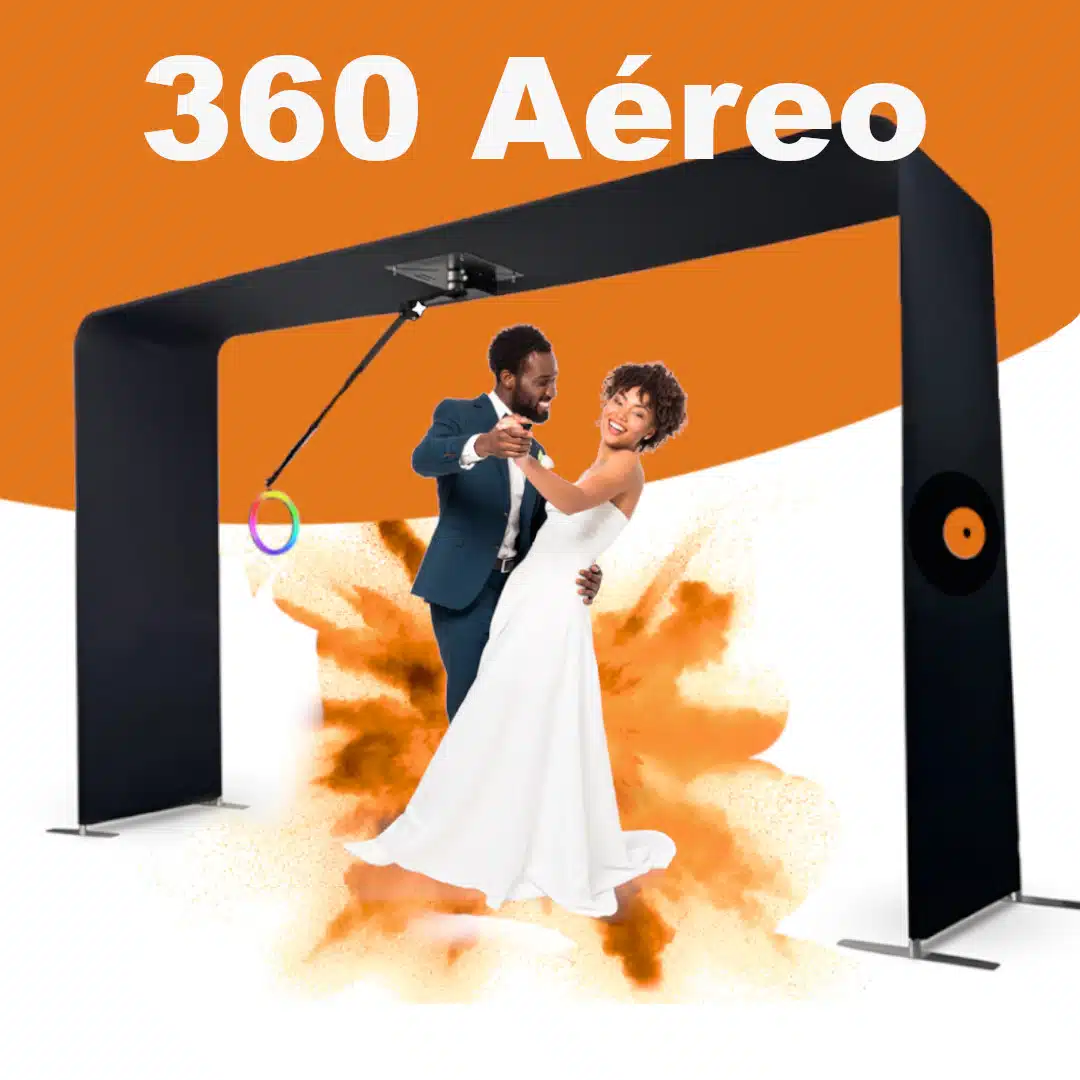
That's why activations designed to generate content are so worthwhile. A photo booth personalized with the brand identity, for example, produces dozens of photos and videos that attendees spread voluntarily, each one carrying your logo and your hashtag. It's advertising the audience creates, distributes and endorses for you, at a cost per impact that's hard to match.
Design the experience with intention
A memorable activation isn't improvised. Start with the feeling you want to provoke (surprise, pride, fun, exclusivity) and build the experience backwards from there.
The emotional journey
Think of the experience as a journey with a beginning, a development and a climax. How does the attendee feel on arrival? What makes them take part? What's the moment they'll remember? What do they take home, physical or digital? Each step is an opportunity to reinforce the brand.
Measure the return on the experience
Experiential marketing isn't ethereal: it's measured. Beyond direct sales, evaluate the reach of the content generated, the social media engagement, the leads captured, the improvement in brand perception (via surveys) and the cost per impact compared to other channels. Without measurement, a great experience stays a nice anecdote with no budget justification.
Frequently Asked Questions
What is experiential marketing?
It's a strategy that seeks to connect with the audience through memorable experiences instead of advertising messages. Rather than telling people what the brand is like, it makes the customer feel it first-hand, generating a far more lasting emotional memory.
Why does experience work better than traditional advertising?
Because the consumer is saturated with ads and ignores them, while emotions fix the memory powerfully. On top of that, a well-designed experience generates content from the attendee themselves, which is more credible than any brand message.
How do you measure the return on experiential marketing?
It's measured by the reach of the content generated by attendees, social media engagement, leads captured, brand perception surveys and the cost per impact compared to other channels. Measurement is what justifies the investment.
What makes a brand activation memorable?
That it's participatory, consistent with the brand's values, surprising, shareable and measurable. The key is to design an emotional journey with a clear peak moment and something the attendee takes away, whether physical or digital.

Need Help Choosing?
We're direct manufacturers. We'll advise you with no obligation for your case.