
The Wedding Day Timeline: An Hour-by-Hour Schedule
A wedding doesn't fall apart over a bad decision, but over a poorly calculated schedule: the endless cocktail-hour wait, the banquet that drags on, the first dance at the wrong time. This is a realistic schedule for the big day so everything flows without dead time.
In Short
A good wedding timeline splits the day into blocks with margin between them: preparations (3-4 h), ceremony (30-60 min), cocktail hour (1.5-2 h), banquet (2-2.5 h) and party (until closing). The most common mistake is not leaving 15-20 minute cushions between phases. Share the schedule in writing with all the vendors and delegate the job of watching the clock to one person.
Morning: The Preparations
The preparations always take longer than expected, and starting late drags the whole day along. Plan with plenty of margin: hair and make-up usually take 3-4 hours if there are several people, and the photographer needs time for the getting-ready photos.
A trick that works: set the departure time in your head 30 minutes earlier than the real one. That margin gets eaten up on its own between the dress, the photos and the nerves.
Ceremony and Cocktail Hour
The ceremony, civil or religious, lasts between 30 and 60 minutes. What comes after is the most delicate phase of the day.
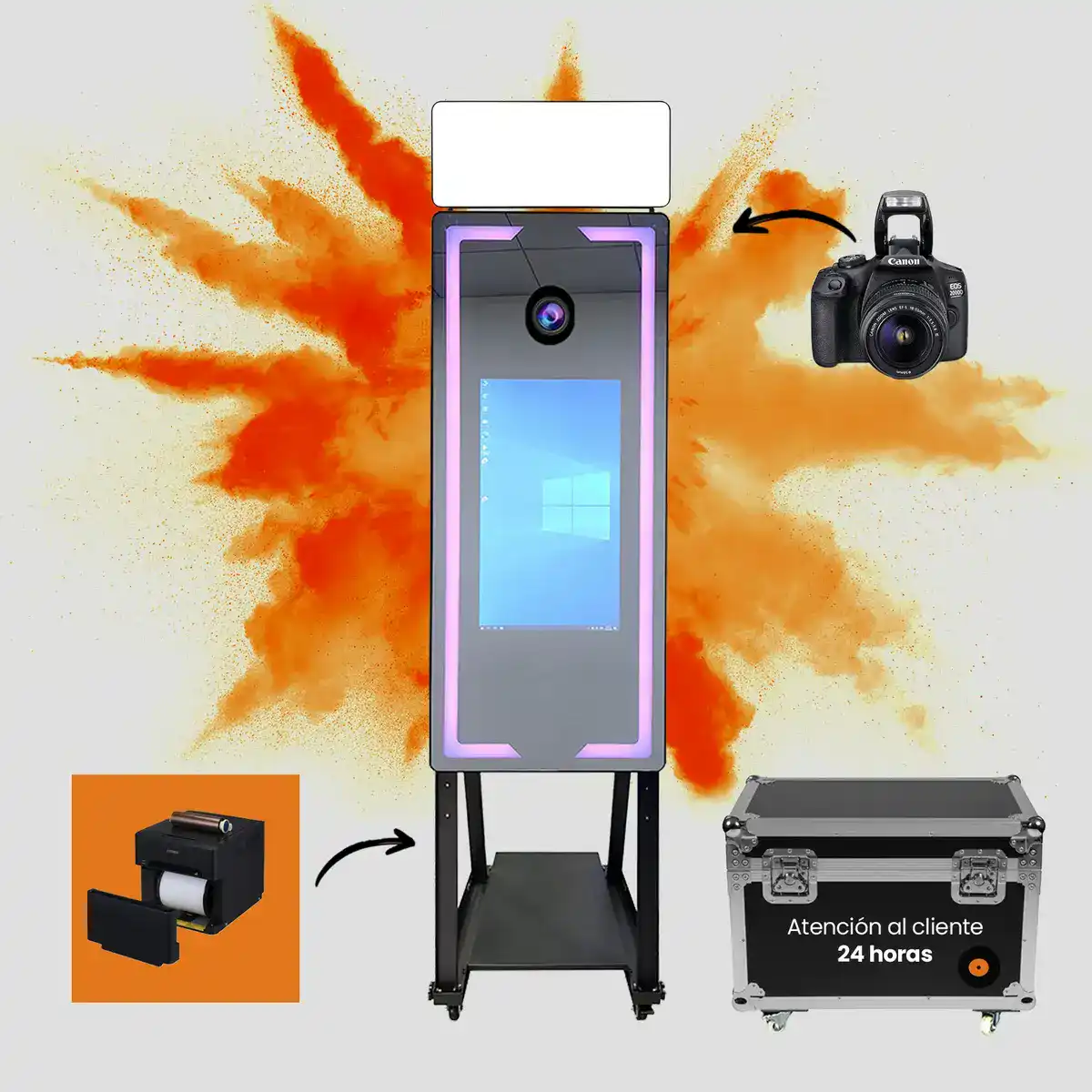
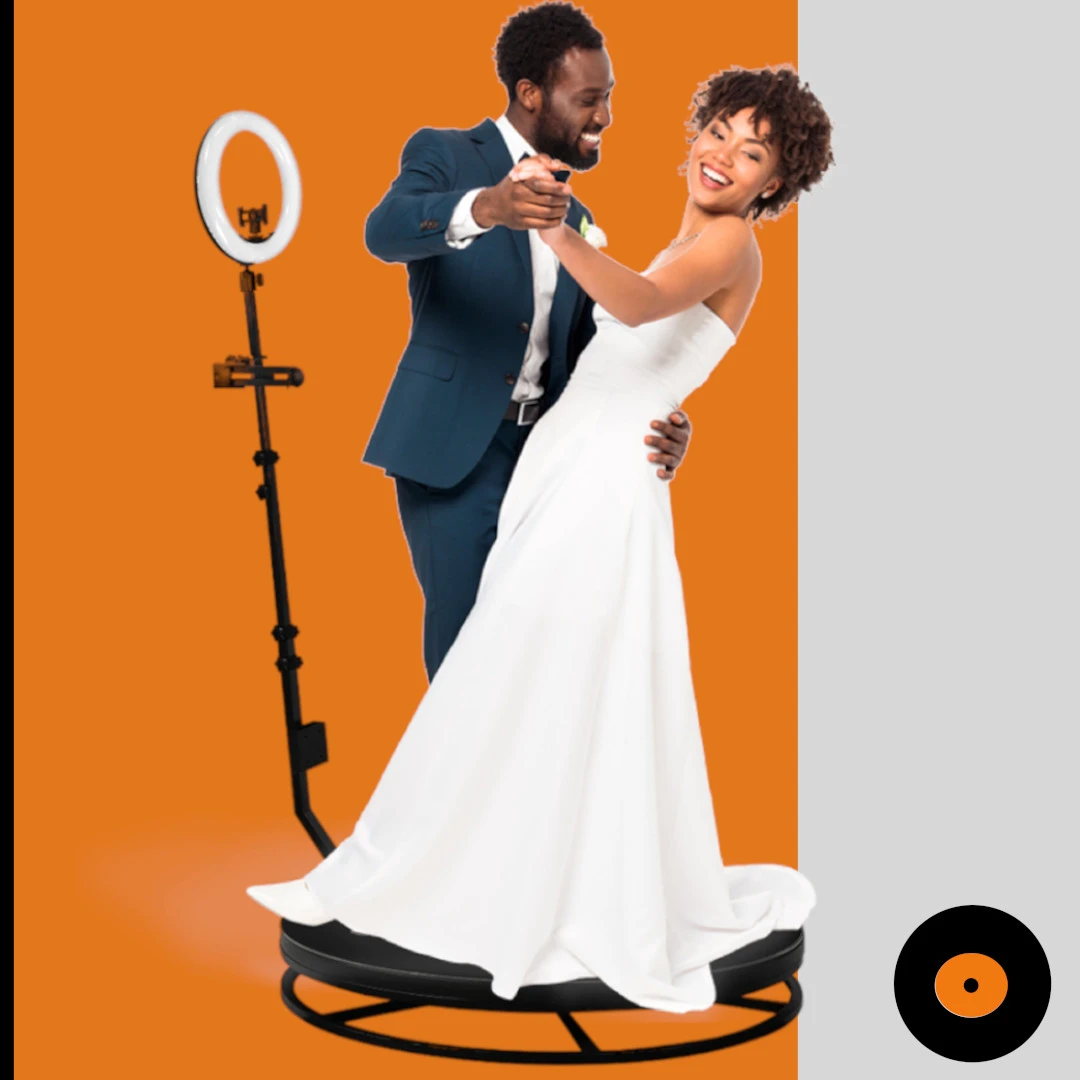
The cocktail hour is the stretch where guests get most bored if the couple disappears for two hours taking photos. Solve it in two ways: move part of the photo session to before the ceremony and make sure that during the aperitif something is happening. This is where a wedding photo booth or some light entertainment fits naturally, keeping people entertained while you finish the couple's photos.
Cocktail-hour timing
Keep the cocktail hour at 90-120 minutes. Beyond that, people get tired of standing; any less, and there isn't time to enjoy it.
The Banquet
A well-run banquet lasts between 2 and 2.5 hours. To keep it from dragging on, it is worth watching the pace:
- Entrance of the newlyweds with energy, without keeping people waiting.
- Fixed service timings agreed with the caterer: nothing kills the pace more than waiting 40 minutes between courses.
- Short speeches grouped together, better between courses than all in a row.
- Cake and dance as a clear transition into the party.
The Party and the Closing
The shift from the banquet to the dance floor is the moment that gets stuck most. Mark a clear milestone —the first dance or the cake cutting— to signal 'the party starts' and stop people from drifting off. From then on, let the music take charge. If you have booked photo corners or themed bars, this is their moment of peak queues. And set the closing time with the venue in advance: improvising it at four in the morning never goes well.
The Golden Rule: Delegate the Clock
On your wedding day you can't be checking the time. Appoint a trusted person (or the wedding planner) as the schedule manager: let them be the one who alerts the DJ, the caterer and the photographer to each phase change. You just have to enjoy yourself; let someone else keep the clock.
Frequently Asked Questions
How long should a wedding cocktail hour last?
Between 90 and 120 minutes. If it lasts longer, guests get tired of standing; if it lasts less, there isn't time to enjoy it. During the cocktail hour it is worth having some entertainment or a photo corner so no one gets bored.
How long does a wedding banquet last?
Ideally between 2 and 2.5 hours. To keep it from dragging on, agree the service timings with the caterer, group the speeches together and keep them short. The cake and the dance mark the move to the party.
What time is the first dance at a wedding?
Right at the transition from the banquet to the party, as a milestone signalling the start of the dancing. Marking that clear moment stops guests from drifting off between the end of dinner and the start of the dance floor.
How do I avoid dead time on the wedding day?
Leave 15-20 minute cushions between phases, move part of the photo session to before the ceremony and make sure something is happening during the cocktail hour. Share the schedule in writing with all the vendors.
Who should keep track of the schedule on the wedding day?
A trusted person or the wedding planner, never the couple. They should be the one who alerts the DJ, the caterer and the photographer to each phase change, so the couple can just focus on enjoying it.
Need Help Choosing?
We're direct manufacturers. We'll advise you with no obligation for your case.